Source Sinking Pencil Fishing Lure for River, Lake, and Ocean Beach
Compare 23 sinking pencil fishing lure options featuring ABS and plastic materials with 3D eyes. Models range from 90mm to 160mm, supporting OEM customization and various hook types for river, lake, and ocean fishing applications; compare the available evidence and request quotations based on your requirements.
Key considerations
Products List


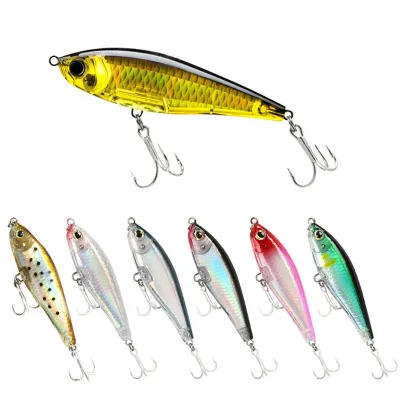


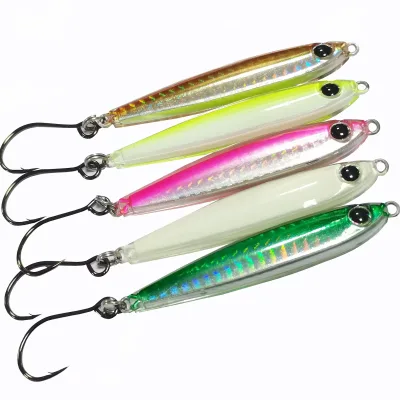
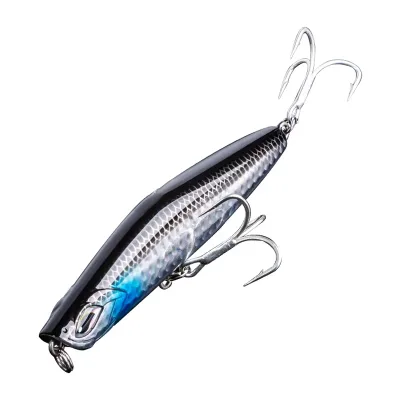
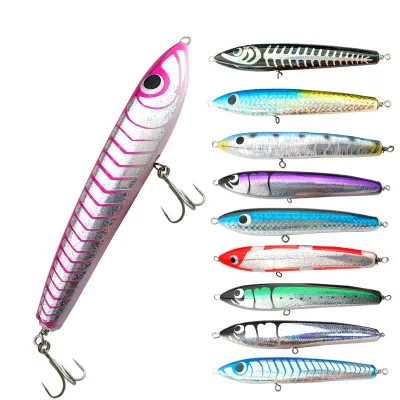
Comprehensive Sourcing Guide
Sinking Pencil Fishing Lure Sourcing Guide
Sourcing sinking pencil fishing lures requires careful attention to specific hydrodynamic profiles and weight distributions that distinguish them from floating counterparts. Buyers must verify that the selected artificial hard bait is engineered to dive immediately upon retrieval, a critical trait for targeting deep-water predators in reservoirs, lakes, and ocean beaches. The observed market data indicates a prevalence of models ranging from 90mm to 160mm in length, with weights varying significantly from 18g to 77g to accommodate different water depths and target species.
Procurement decisions should prioritize suppliers who offer customization options for weight and length, as these attributes directly influence the lure's sinking rate and action. While some listings highlight floating water actions, the specific requirement for a sinking pencil lure necessitates a rigorous check of the product standard and weight-to-length ratio. Buyers should confirm that the manufacturer can adjust the internal ballast or external shape to ensure the lure achieves the desired negative buoyancy without compromising the realistic swimming motion essential for high-performance fishing.
Product Scope and Observed Listing Signals
The current market for artificial bait presents a diverse range of pencil lures, with observed specifications including models like HDY543/2 and HDY519/4 that feature distinct dimensions and weights. Listings frequently mention materials such as ABS and plastic, which are standard for durability and realistic movement, while packaging varies from slided blister cards to pet boxes depending on the supplier's logistics capabilities. Buyers must navigate these variations to identify products that strictly meet the sinking criteria, as some listed items may be designed for floating or suspending actions rather than rapid descent.
Verification of the product origin, primarily noted as Shandong, China, is essential for understanding the supply chain dynamics and potential lead times associated with these fishing tools. The observed minimum order quantities (MOQ) fluctuate widely, ranging from small batches of two pieces to bulk orders of 300 pieces per color, reflecting the flexibility of different manufacturers. Procurement teams should analyze these signals to determine if a supplier can accommodate their specific volume needs while maintaining the precise color and finish requirements, such as the OEM color options available in the market.
Technical Specifications to Verify
Technical validation must begin with the precise length and weight specifications, as these metrics dictate the lure's hydrodynamic performance and sinking trajectory. Buyers should cross-reference the listed dimensions, such as the 90mm/18g or 160mm/58g standards, against their target fishing conditions to ensure the lure will penetrate the water column effectively. The presence of 3D simulation fisheyes and specific hook types like VMC or Mustad are also critical technical details that influence the catch rate and hook-up ratio in various fishing scenarios.
Beyond physical dimensions, the action profile and material composition require strict scrutiny to confirm the lure's intended sinking behavior. While some products are explicitly described as floating, the sinking pencil lure must be verified for its ability to maintain a straight, erratic, or darting motion while descending. Buyers should request detailed performance data or samples to confirm that the plastic or ABS construction provides the necessary rigidity and balance, ensuring the lure does not wobble excessively or fail to sink at the expected rate during active retrieval.
Compliance and Safety Documentation
Safety compliance for fishing lures primarily involves ensuring that all components, including hooks and paint finishes, meet international safety standards for consumer products. Although specific certification documents are not explicitly listed in the provided data, buyers must request proof that the hooks, which may be sourced from brands like Origin or BKK, are free from sharp defects that could cause injury during handling. Additionally, the materials used, such as ABS and plastic, should be verified for non-toxic properties to ensure they do not leach harmful substances into the aquatic environment or pose risks to the end-user.
Documentation regarding the product origin and manufacturing standards is equally vital for establishing supply chain transparency and liability protection. Buyers should require suppliers to provide clear declarations of origin, such as the noted Shandong location, and confirm adherence to any relevant Chinese or international manufacturing standards for plastic fishing gear. This due diligence helps mitigate risks associated with substandard materials or unsafe hook configurations, ensuring that the final product is safe for commercial distribution and retail sale in target markets.
Cost Drivers and Commercial Terms
Commercial negotiations for sinking pencil lures are heavily influenced by the complexity of customization, including OEM services and specific color requirements. The observed MOQ of 300 pieces per color for certain models suggests that smaller orders may incur higher unit costs or require a premium for setup fees. Buyers should anticipate that customizing the weight, length, or color scheme to match specific sinking profiles will add to the base production cost, necessitating a clear understanding of the price structure before committing to large-scale orders.
Lead times and delivery schedules are significant cost drivers, with observed ranges extending from 3-7 days for samples to 50-60 days for full production runs. These timelines can vary based on the supplier's capacity and the complexity of the order, particularly when multiple colors or custom packaging like slided blister cards are involved. Procurement teams must factor these lead times into their inventory planning to avoid stockouts, while also negotiating flexible terms that allow for adjustments in case of supply chain disruptions or changes in order volume.
Supplier Qualification and Quality Control
Supplier qualification should focus on verifying their capacity for consistent quality control across varying production batches, especially given the wide range of observed models and specifications. Buyers must assess whether the manufacturer has established protocols to ensure that every unit meets the specified weight and length tolerances, as even minor deviations can alter the sinking action and overall performance of the lure. The availability of samples is a key indicator of a supplier's confidence in their product quality, allowing buyers to physically test the sinking rate and hook integrity before finalizing a contract.
Quality control processes should also include rigorous inspection of the hook attachment and the durability of the 3D eyes and paint finishes. Since the product is designed for active use in rivers, lakes, and ocean environments, the structural integrity of the lure must withstand repeated casting and retrieval without breaking or losing components. Buyers should request evidence of in-house testing or third-party quality audits to confirm that the supplier maintains high standards for materials like ABS and plastic, ensuring the final product delivers consistent performance in the field.
Long-Term Procurement Checks
Establishing a long-term procurement strategy requires regular audits of supplier performance to ensure consistent adherence to the specified technical and commercial terms. Buyers should implement a system for tracking defect rates, delivery punctuality, and the consistency of product specifications across multiple orders to identify any potential degradation in quality over time. This proactive approach helps maintain a reliable supply chain for sinking pencil lures, ensuring that the product continues to meet the rigorous demands of professional anglers and retail customers.
Continuous market monitoring is essential to stay ahead of evolving trends in lure design and material technology. As the fishing industry evolves, suppliers may introduce new sinking profiles or more durable materials that could offer competitive advantages. Buyers should maintain open communication with their suppliers to stay informed about these innovations and be prepared to adjust their product specifications accordingly. This flexibility ensures that the procurement strategy remains robust and responsive to changing market dynamics, securing a sustainable competitive edge in the artificial bait sector.
FAQs
What specifications are available for sinking pencil lures?
Available specifications include lengths of 90mm, 120mm, 140mm, and 160mm with corresponding weights of 18g, 40g, 70g, and 77g. Models like HDY543/2 and HDY544/1 offer precise dimensions. These artificial hard baits are designed for various fishing positions including rivers, lakes, and ocean beaches, ensuring versatility for different angling environments.
Can I request custom colors for these lures?
Yes, OEM color customization is available for these artificial baits. The standard options include colors 01 through 07, but manufacturers accept OEM services to match specific branding needs. This flexibility allows buyers to tailor the visual appeal of the pencil lures to their target market preferences while maintaining the high-quality ABS or plastic construction.
What is the minimum order quantity for these lures?
The minimum order quantity varies by supplier, ranging from 2 pieces to 1500 pieces. Some manufacturers require a minimum of 300 pieces per color for bulk orders. Buyers can often negotiate these terms, and samples are available for quality verification before committing to larger production runs, ensuring the product meets specific sourcing requirements.
How long is the lead time for production?
Standard production lead times typically range from 50 to 60 days, though this can be negotiated based on order volume and supplier capacity. For sample orders, delivery time is significantly shorter, often taking only 3 to 7 days. Buyers should confirm specific timelines with manufacturers to align with their inventory planning and market launch schedules effectively.
What type of hooks are used on these lures?
These pencil lures are equipped with high-quality treble hooks from reputable brands such as VMC, BKK, Mustad, or Origin. The hooks are securely attached to the artificial bait to ensure strong hook-up rates. This feature enhances the effectiveness of the lure in various fishing positions, including reservoir ponds and ocean rock fishing, providing reliable performance.
Are these lures suitable for floating or sinking action?
While many pencil lures feature floating water action, specific models are designed for sinking behavior. The product range includes various types, such as minnow lures and hard baits, with different densities. Buyers should check the specific model specifications, such as the 90mm/18g or 160mm/58g variants, to determine the exact buoyancy and action characteristics for their fishing style.